
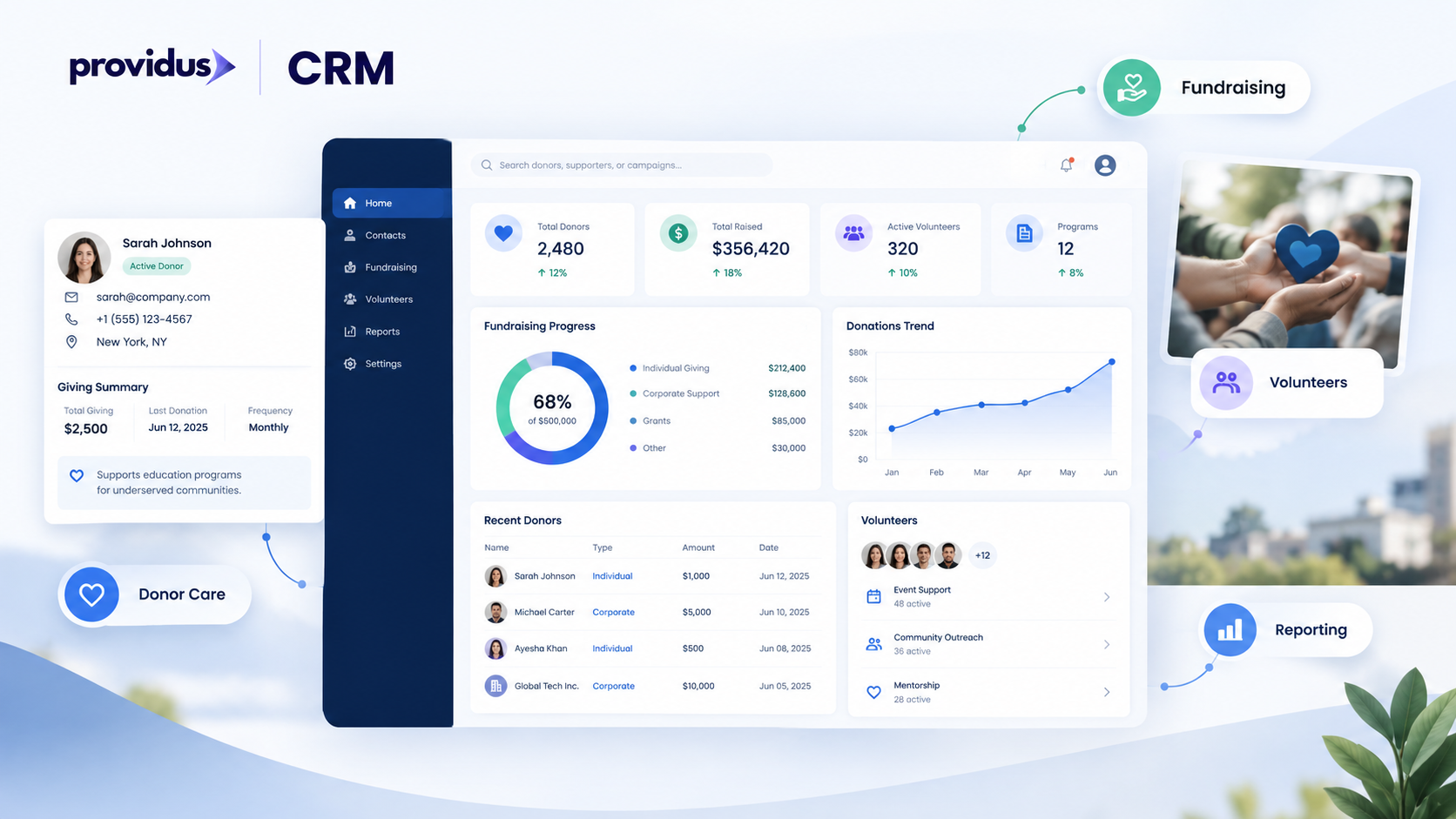
Every nonprofit begins with one goal, and that is to help more people, but many teams spend their days chasing spreadsheets instead of supporters, and at this point, Salesforce for nonprofit organisations comes as the best solution.
So what makes a charity upgrade itself from spreadsheets and choose a smooth workflow? It starts with a missed thank you, a lost volunteer, or even a report that took a week to build. Let’s dive in and understand how a good platform can make a charity’s workflow smooth and results-oriented.
Why Are Disconnected Systems So Costly for Charities?
Most charities run on one tool for donations, another for case notes, and a third for events, and each of them holds a story of supporters, yet nobody sees the complete picture. Staff then lose hours reconciling records by hand, and in between all this process, the cost is real.
According to the Fundraising Effectiveness Project reported by Nonprofit PRO, US nonprofits rose 5% in 2025 while the number of donors fell 3.6%, because larger donors gave more; as a result, every supporter matters even more. When staff stop trusting reports, records disagree, and decisions slow down, teams scramble, trustees ask for figures, and the numbers differ from last month’s report.
Why Does Salesforce for Nonprofit Organizations Stand Out?
The main difference is a single supported record. Volunteer hours, donations, event attendance, grants, and also casework all sit together, and anyone with access sees the same and up-to-date picture. Moreover, Salesforce also offers a data model that is designed for nonprofit work, so in this scenario, you are not forcing charity activity into a sales template.
Programmes, pledges, gifts and outcomes each have a proper home; reports become easier to trust and to explain to trustees. On the other hand, thank-you emails, task reminders, automation and follow ups all can run without anyone remembering to send them. This smoothness is the reason why the platform suits charities of different sizes; a small team can start with a few core processes and users, and eventually add more as the work gets expanded.
How Does Salesforce Help With Fundraising and Donor Care?
This part is most important because it tells why Salesforce is highly impactful. Let’s understand it in pointers.
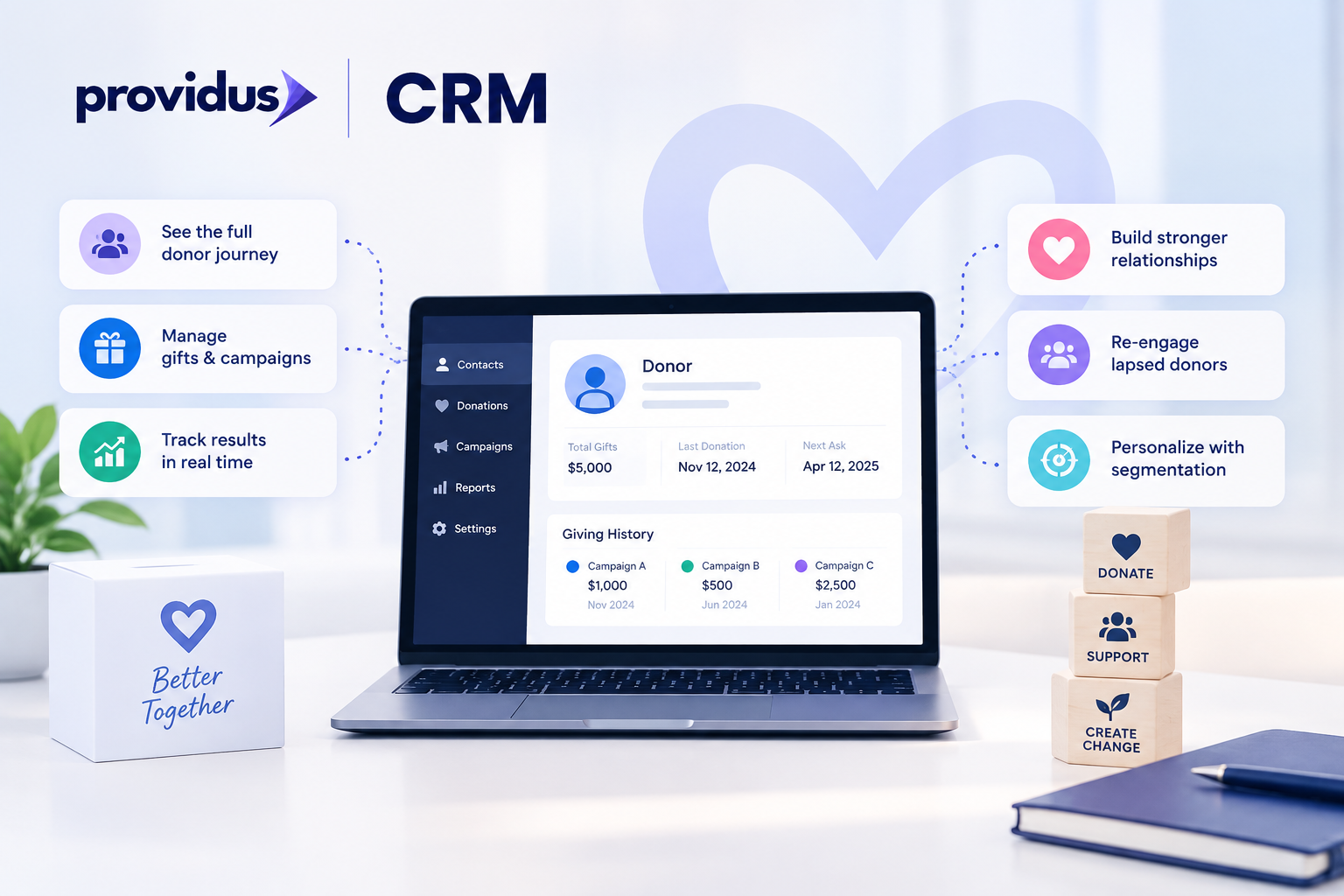
- With Salesforce for nonprofit organizations, your team can see the campaign, the gift behind it, and any earlier contact.
- A well-timed second ask and a personal thank-you then become routine, not luck.
- The second gift is the hardest part, but the same NonProfits PRO report call turns a first gift into a second.
- Fast follow-ups build a good relationship.
- Gift Aid records, recurring gifts, and campaign results can be easily live in one system.
- Fundraising and finance teams then work from the same numbers.
- Lapsed donors can be highlighted early and can be easily invited back with care.
- Segmentation adds another layer. You can easily send a message to a group supported by giving history, last contact, interest.
Can Small Charities Afford Salesforce?
Mostly yes, though the license is the only part of the bill. Cost is the initial worry for most trustees weighing Salesforce for nonprofit organisations. Eligible nonprofits can apply for discounted or free licences through Salesforce’s Power of Us programme, which eventually lowers the entry barrier. Moreover, training and implementation still need a proper budget.
The Charity Digital Skills Report 2026 has found that squeezed finances are the main hurdle to digital progress for 63% of charities. So the smarter question is not related to licence price alone, but to the total cost of poor data, duplicated work and lost donors.
How Does Salesforce Support Programmes, Volunteers and Reporting?
Programme teams using Salesforce for a nonprofit organisation can record outcomes, beneficiaries, and referrals in the same system fundraisers use. Volunteers can be tracked by hours given, role, and availability, and with this, nothing sits in a forgotten shared folder.
Live dashboards then turn data into answers for funders and boards. Instead of a week of report building, you open a screen, and with this, funders also gain confidence when your figures are easy to trace and consistent.
Furthermore, integration is also the part that matters. Salesforce can connect with payment platforms, email tools, and accounting software, and with this, Salesforce integration services easily make these links dependable.
Along with this, consent and trust deserve attention too. Salesforce lets teams record communication preferences against each supporter, and this helps staff respect UK GDPR and to keep your promises to donors visible.
What Should You Check Before Choosing Salesforce?
Salesforce is powerful and also impactful, but it is not plug-and-play; success depends on people and planning. The Zoe Amar analysis has reported that 56% of charities name technical expertise and limited skills as their biggest barriers, up from 43% last year.
Before you commit to Salesforce for nonprofit organisations, you should check for four things.
- Staff training.
- Clear goals.
- Clean data.
- Realistic timeline.
Moreover, if you are leaving another system, plan the data move carefully. Dedicated Salesforce migration services mainly reduce the risk of lost records, and with this, clear ownership mainly keeps your data healthy after the consultants leave.
Plan Your Move With ProvidusCRM
Choosing a platform is easier with a partner who understands charity work. Certified consultants at ProvidusCRM help UK nonprofits plan, configure, and support Salesforce related to programme needs and real fundraising. We start with your goals and then map out how Salesforce can meet them step by step.
You can explore our Salesforce nonprofit consulting services or contact our team to discuss your budget, goal and timeline.
Conclusion
Nonprofits mainly choose Salesforce for one reason, and that is, it shows programmes, supporters and results in one unified place. Integrations, reporting and automation then build on that foundation.
It turns scattered data into clear next steps for programme leads, fundraisers and trustees alike. Salesforce for nonprofit organisations works best when data quality, planning and training come first.
Frequently Asked Questions
1. Can Salesforce manage grant applications and awards?
Yes, it can easily track applications, awards, conditions, and reporting deadlines in one place.
2. Is supporter data safe in Salesforce?
Role-based access and audit trails help protect it, but UK GDPR compliance depends on your configuration and policies.
3. How long does a typical nonprofit set-up take?
Simple set-ups can take a few weeks, while complex, multi-system projects usually take a few months.
4. Can we start small and add features later?
Yes, most of the charities start with a core fundraising record and add volunteers, programmes, or automation in phases.
5. Does Salesforce work on mobile for field teams?
Yes, the Salesforce mobile app lets field staff view and update records on the go.