
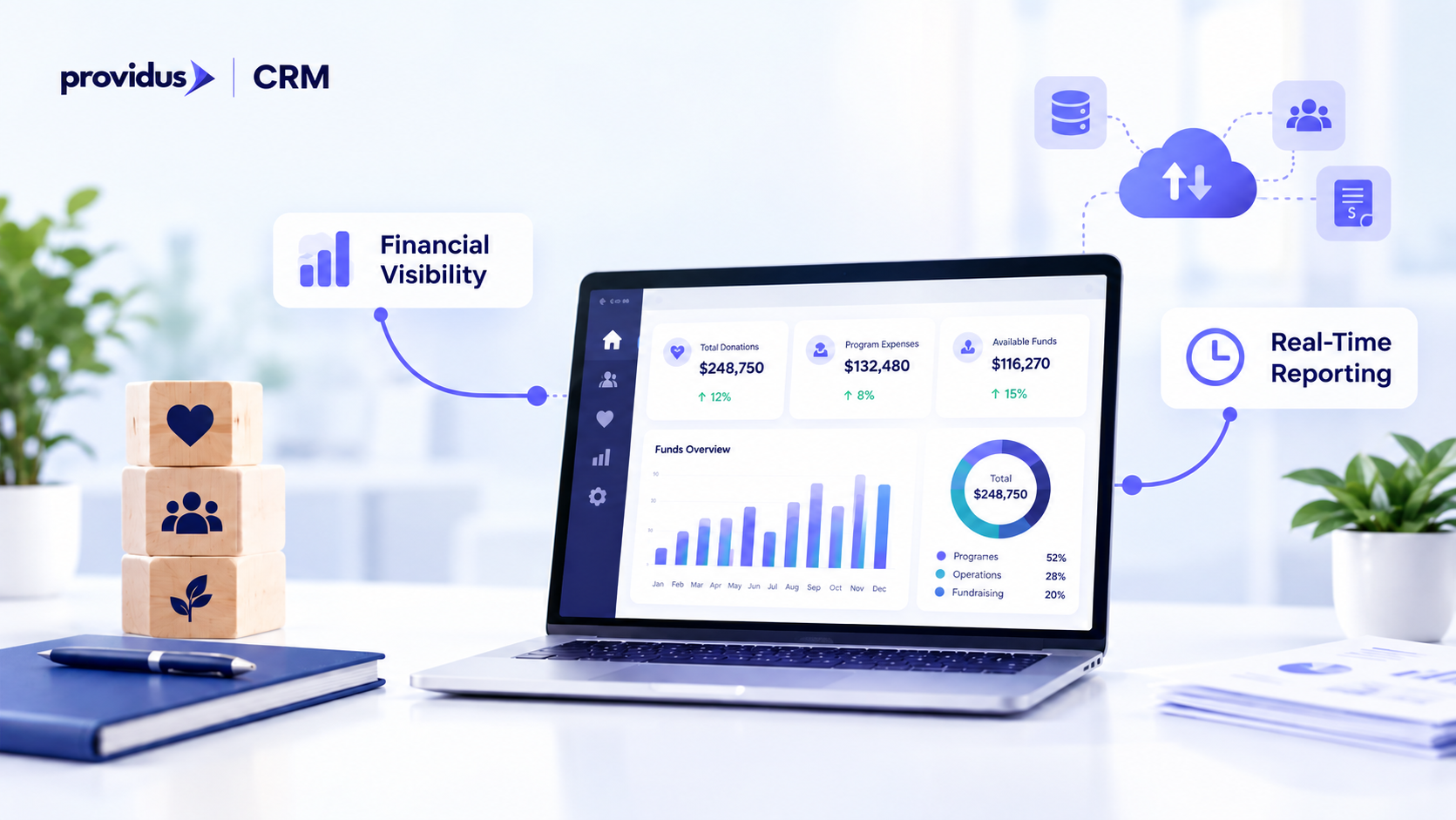
Picking the wrong finance tool can quietly cost a charity thousands of pounds and months of trustee confidence, yet many nonprofits still choose their systems the same way they choose a printer: based on price rather than suitability.
Choosing the right budgeting software for nonprofit organisations is not about finding the flashiest dashboard. It is about finding a system that understands trustee reporting, restricted funds, and unpredictable income in ways ordinary business software often cannot. With the right financial tools and Salesforce nonprofit cloud consulting, charities can improve financial visibility, strengthen reporting, and make more informed decisions. Let’s explore the selection process thoroughly.
Why Do Spreadsheets Stop Working as You Grow?
Spreadsheets were free, familiar, and even flexible in the early days of any nonprofit, but as the grants multiply and reporting demands grow, a simple single incorrect formula can disturb the entire forecast of the year.
Research from the Directory of Social Change has found that small charities usually make up 80% of registered UK organisations but hold just 3.6% of the total income of the sector. This means most nonprofits manage tight, closely watched budgets with very thin margins for error. This is mainly the gap that dedicated budgeting software for nonprofit organisations is built to close, and also replace fragile spreadsheets with a system that trustees can eventually trust.
Effective nonprofit financial planning also helps organisations prepare for changing funding conditions, manage financial uncertainty, and support long-term financial stability for nonprofits.
How Does Good Budgeting Software Impact Nonprofit Organizations?
This sort of software basically helps you to plan expenditure and income, report the results clearly to funders and trustees, and also track it against the actuals. It should feel more like a planning partner and less like an accounting tool.
Moreover, the best platform also flags discrepancies early so that a shortfall in one grant may not significantly drain funds that are mainly for other projects. This early warning is more essential than any single report that software generates. Moving further, good software also separates planning from reporting even without separating the data behind them so that trustees can easily review a forecast in one unified view.
This supports nonprofit revenue management by helping charities monitor income streams, anticipate funding gaps, and improve revenue forecasting for nonprofits.
Key Features to Look for Before You Commit
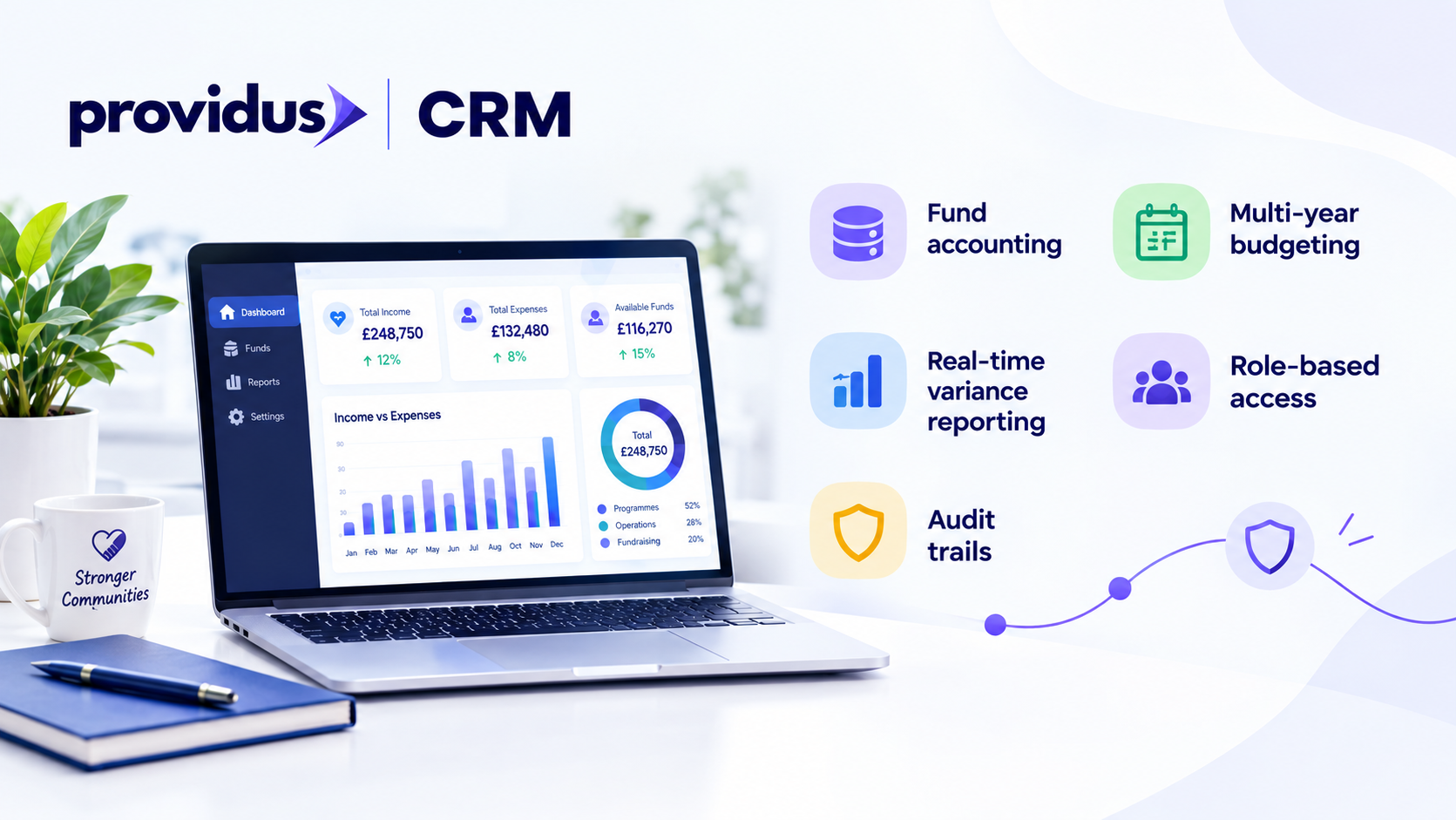
Not every finance package that is built for businesses will definitely suit the needs of your charity, so you should look closely before even signing a contract.
- Fund accounting: Automatic tracking that separates restricted, designated, and unrestricted funds at the transaction level to satisfy Statement of Recommended Practice (SORP) requirements and ensure compliance with Charity Commission regulations.
- Multi-year budgeting: Since programmes and grants hardly follow a single financial year.
- Real-time variance reporting: Comparing actual spend against budget as it happens.
- Role-based access: Trustees can see summaries while finance staff see full detail.
- Audit trails: This aspect makes year-end examinations far less stressful.
These features are central to effective nonprofit budgeting, helping organisations monitor spending, manage funding restrictions, and maintain accurate financial records.
Why Is Fund Accounting a Must-Have for Nonprofit Budgeting Software?
Fund accounting is an essential part because it is the single biggest difference between standard business software and charity finance tools; along with this, restricted grants must be tracked separately from unrestricted income.
Without this aspect, a charity risks accidentally spending restricted money on the wrong activity, which can eventually trigger compliance issues with the Charity Commission and funders. Any shortlist for the budgeting software for a nonprofit organisation should treat the fund accounting aspect as a baseline necessity, not only nice to have.
Moving further, instead of just manually splitting spreadsheet columns by grants, the software directly holds every transaction tagged to its accurate fund, which basically makes it ready for the audit or even independent examination if the charity requires. Salesforce consulting services can also help charities connect their financial systems with Salesforce to improve fund tracking and reporting.
Can Non-Finance Staff and Trustees Actually Use the Software?
Many people who see the budget of nonprofits are not accountants. Volunteers, programme managers and trustees all have to understand the numbers without even needing a finance degree.
Search for software with simple charts, a plain-language dashboard, and reports that can be easily shared or exported before a board meeting. So, if your finance team spends more time explaining the software than the numbers inside it, the tool is working against you.
Integration With Your CRM and Donor Systems
Budgeting hardly happens in isolation from fundraising, so your finance system should also talk to whatever holds your programme data and donor data. So when budgeting figures sync directly with your CRM platform, forecasts stay accurate without the hours of manual re-entry.
CRM & Financial Integration
Connecting your budgeting tool directly to a CRM like Salesforce Nonprofit Cloud ensures grant pipeline changes, recurring donor updates, and pledge commitments flow straight into cash flow forecasts. This real-time synchronization eliminates manual reconciliation between fundraising and finance teams.
Integrating donor management and financial systems can also help charities connect fundraising activity with financial planning, improving visibility into income and supporting more informed budgeting decisions.
How Much Budgeting Software for Nonprofit Organizations Really Costs?
Sticker price tells you very little about the real cost of a system. A cheap tool that cannot handle multiple funding streams will cost far more in staff hours than a slightly pricier one built for the job.
Ask vendors directly about the cost of adding users, importing historical data, and scaling up as your income grows. The right budgeting software for nonprofit organizations should grow comfortably alongside your charity, not force a painful switch two years later.
Many providers offer discounted or grant-funded licences for registered charities, so it is always worth asking directly rather than assuming a full commercial price applies.
Common Mistakes When Choosing Budgeting Software
Charities mostly repeat the same handful of errors when choosing a new finance system, and each one is avoidable with a little care.
- Selecting generic business software that has no concept of restricted funds.
- Ignoring staff input, then assuming why adoption is slow after launch.
- Skipping a proper trial, then discovering gaps once live data is in the system.
- Underestimating training time and leaving trustees unable to read their own reports.
Recent research from the Charities Aid Foundation has found that fewer than a third of UK charities only 28% have a detailed plan in place to manage financial pressure.
A structured approach to nonprofit financial planning and revenue forecasting for nonprofits can help charities identify these challenges earlier and work towards greater financial stability.
Speak to a Certified Nonprofit Consultant to Choose the Right Fit
Aligning your financial budgeting software with your CRM requires clear data architecture, custom mapping, and robust governance. ProvidusCRM’s certified consultants work with non-profits to integrate Salesforce Nonprofit Cloud with leading accounting platforms, creating real-time, trustee-ready reporting environments. Explore our Salesforce Nonprofit Consulting Services and get in touch with our team of CRM consultants and solution architects.
Conclusion
Choosing budgeting software for a nonprofit organisation is mainly a decision related to trust between trustees and finance staff and also trust between your charity and the funders who depend on your reporting.
Get this decision correctly, and budgeting will stop being a source of panic and will become a tool your whole team can depend on with confidence.
Frequently Asked Questions
1. Is free budgeting software ever suitable for a small charity?
Free tools can work for very small charities with simple, single-fund income, but most outgrow them once grants or restricted funds appear.
2. How long does it usually take to switch budgeting systems?
Most nonprofits complete a full switch, including staff training, within four to eight weeks depending on data complexity.
3. Can budgeting software help with Charity Commission reporting?
Yes, many platforms generate reports formatted specifically to support annual return and SORP-aligned reporting requirements.
4. Do trustees need training to use the software directly?
Basic training is enough for most trustees, since they typically only need to read dashboards rather than enter transactions.
5. What happens to historical budget data when switching providers?
Most of the vendors migrate historical figures via API import of CSV, but fund tagging structure and custom fields may require manual mapping.