
Why do most charities lose supporters even though they work so hard? The Charities Aid Foundation has reported that the share of UK adults giving fell from 69% in 2016 to 55% in 2025, leaving hardly six million fewer donors.
A database cannot fix this alone, but the right system can definitely identify the part that is taking your supporters away. Let’s understand how all these things work and how to choose the best donor software wisely without wasting a budget or year.
What Does Donor Software Actually Do?
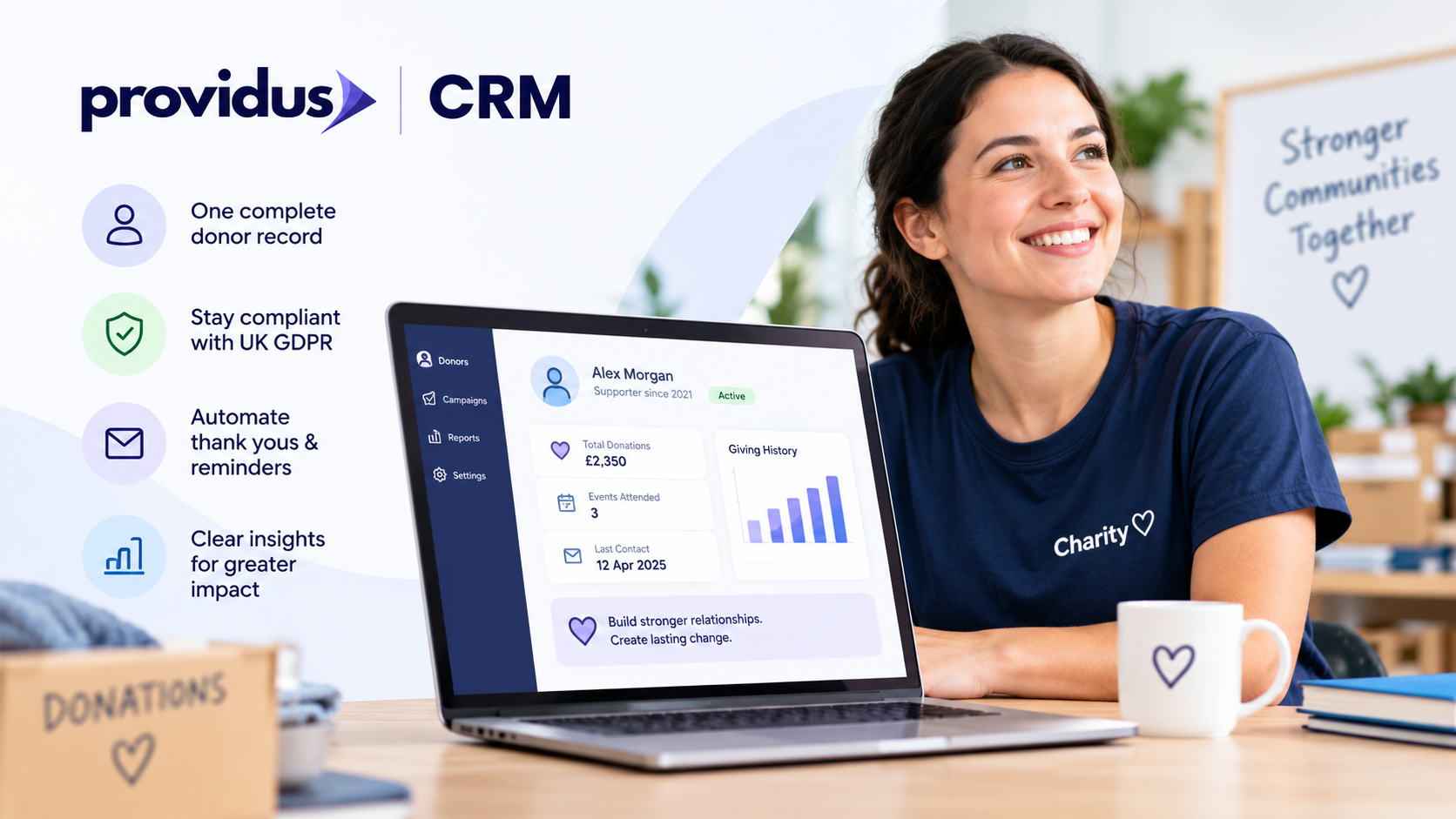
Donor software is mainly a system that records who gives, when, why, and how much. It brings consent, contact details, gifts, and communication history into one place, while Salesforce nonprofit consulting can help charities configure the system around their specific needs.
Good donor software for nonprofits works like a memory for your charity. When a supporter returns after two years, the system helps create a personalised welcome instead of treating them like a stranger. It can also automate reminders, receipts, and Gift Aid claims, freeing staff to focus on donors rather than paperwork.
Where Do First-Time Donors Slip Away?
Fundraisers mostly assume that the hard part is winning the first gift, but the data from the US-based Fundraising Effectiveness Project has suggested that overall donor retention in 2025 was 43.4%, while the retention of new donors stayed flat.
Analysts have described the step from a first gift to a second as the biggest unsolved problem in the pipeline of donors, and this gap is mainly where the software earns its place because a good system can easily thank donors and also flag people whose giving gets slowed.
Moreover, the surprising part is that multiple charities already hold the information that is required to act, and it simply sits in spreadsheets, separate inboxes, and payment reports where basically nobody sees the full pattern. So now, what element basically separates the best donor software from a glorified spreadsheet? There are basically four features that matter.
What Are The Features That Matter?
Each of the features that are mentioned below links directly to retention. Whenever records are joined up and thank you messages arrive on time, donors consider it as noticed, and noticed donors are more likely to give again.
- A single donor record: Gift Aid declarations, email, gifts and event attendance should always sit together so that nobody contacts a supporter twice accidentally.
- Compliance support: The system should store consent choices, opt-outs and HMRC Gift Aid declarations in line with PECR and UK GDPR.
- Automated stewardship: Lapsed donor reminder, thank you messages and regular gift alert should run without daily manual effort.
- Simple reporting: Trustees need retention, clear income and campaign views without waiting for a specialist to build them.
Ask every supplier to show how their donor software for nonprofits actually handles your sample data. A well polished demo hides a great deal, and on the other side, a genuine test shows how much daily effort the system actually needs.
How Do the Leading Donor Platforms Stack Up?
The needs of every charity are totally different, so you should treat this table as a guide for better understanding and confirm current features and pricing directly with each supplier.
| Platform | Best suited to | Points to check |
|---|---|---|
| Salesforce Nonprofit Cloud | Charities wanting deep integrations and customisation | Design, training efforts and customisation |
| Donorfy | UK charities wanting straightforward tools | Reporting depth as your team grows |
| Beacon | Small UK charities wanting simple set-up, flexible | Limits as your needs grow |
| Bloomerang | Small and mid-sized teams focused on retention | UK Gift Aid handling and support hours |
| Blackbaud Raiser’s Edge NXT | Larger charities with complex major giving programmes | Total implementation time and cost |
No platform wins every category, but the right choice is the one your team will actually use every day.
When Is Salesforce the Right Choice?
Salesforce suits charities that require more than a standard fundraising tool, such as volunteers, grants, and programmes together, and organisations managing donors. It also helps when email and finance tools and payment are linked through system integration.
Moreover, a flexible platform needs staff training and careful design, or it becomes as untidy as the spreadsheets. Moving the old record safely also matters, and a structured Salesforce data migration protects consent records, donor history, and Gift Aid declarations.
Which Mistakes Should You Avoid?
Multiple charities regret their first purchase for the same few reasons that are mentioned below.
- Buying for features, not habits: A lengthy tool list means nothing if fundraisers only need five of them.
- Ignoring data quality: Outdated addresses and duplicate records rapidly weaken any new system.
- Skipping training: Software can only be impactful if every team member knows how to operate it.
- Underestimating set-up time: Importing history, mapping fields, and testing normally take longer than teams expect.
These problems hardly come from the software itself, but they usually begin with unclear ownership.
How Should You Choose Without Regret?
A quick decision is the one that costs. A clear process mainly protects your budget and also keeps every department informed:
- List your needs before watching a demo.
- Shortlist two or even three platforms and request a trial with anonymised real data.
- Involve finance staff, fundraisers and trustees in testing.
- Confirm export options, data ownership and UK GDPR responsibilities in writing.
If you follow these steps, the decision will become practical, and choosing donor software for nonprofit will become far less stressful.
How Will You Know It Is Working?
In this manner, you have to set simple targets before the launch so you can judge success easily. Three measures can give you a clear picture within the first year.
- Second-gift rate: the share of first-time donors who give again.
- Thank-you speed: how rapidly supporters hear from you after a gift.
- Data accuracy: fewer rejected Gift Aid claims, fewer duplicates, and fewer returned letters.
Need Help Choosing? Speak to ProvidusCRM
If you have shortlisted Salesforce, Certified consultants at ProvidusCRM can definitely help you to plan, configure, and to launch a system built around the goals of your fundraising. Explore our Salesforce nonprofit consulting services or even get connected to our team to discuss your requirements.
Whether you are choosing a first system or even replacing an ageing one, the right partner will help you to avoid costly rework and will also keep donor data protected.
Conclusion
Choosing the best donor software for nonprofits is less related to features and more related to fit. Start with test real data from your own records, donor journey, and protect compliance from day one. Do this well, and your system will become a reliable partner.
Frequently Asked Questions
1. How much does donor management software usually cost?
Costs range from low monthly fees for small teams to substantial licences for enterprise platforms, so request written quotes.
2. Can donor systems manage regular giving?
Yes, most record recurring gifts, but confirm Direct Debit compatibility with your payment provider.
3. How long does switching systems take?
Small charities often switch within weeks, whereas complex projects can take several months.
4. Is cloud-based donor data safe under UK GDPR?
It can be, provided the supplier offers encryption, access controls, and a clear data processing agreement.
5. Can donor software track legacies and major gifts?
Yes, many platforms record pledges, legacy intentions, and major-donor conversations alongside regular donations.